Rug Size & Room Planning
How to Choose the Right Living Room Rug Size
The right living room rug does more than cover the floor. It brings your seating arrangement together, defines the room and helps create a more considered interior. Learn how to choose a rug size that works with your furniture and floor plan.
By Indian Creative RugsPublished 4 min read
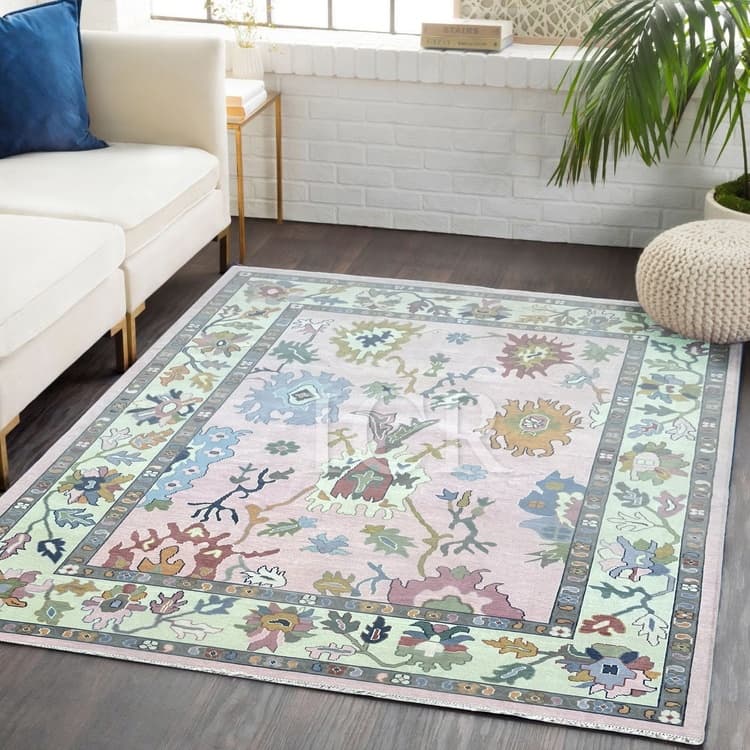
A living room rug can completely change the way a space feels. It can connect a sofa and chairs into one inviting seating area, add warmth beneath a coffee table and introduce color and pattern without changing the entire room.
Yet one of the most common decorating mistakes is choosing a rug that is too small.
The right rug should feel connected to the furniture around it. Instead of thinking about the rug as an isolated decorative piece, think about it as the foundation of your living room layout.
Here is how to find the right size for your space.
Start with your furniture arrangement
Before looking at rug sizes, consider how your living room is arranged.
Measure the sofa, chairs and coffee table. Then measure the complete seating area, not just the space directly beneath the coffee table.
A rug should visually connect the main pieces of furniture. When it is too small, the seating arrangement can feel disconnected. A well-proportioned rug helps create a clear and comfortable gathering area.
Think about where people sit, walk and move through the room. The rug should support the layout rather than obstruct it.
Three common ways to position a living room rug
1. All furniture legs on the rug
This arrangement creates a unified, generous look.
When the room allows it, placing the sofa and chairs completely on the rug creates a clearly defined seating zone. This often works particularly well in larger living rooms and open-plan homes.
The rug should extend far enough beyond the furniture that it does not feel like a tight platform underneath the seating.
2. Front furniture legs on the rug
This is a versatile option for many American living rooms.
The front legs of the sofa and chairs sit on the rug, while their back legs remain on the surrounding floor.
This connects the furniture visually without requiring a very large rug. It is a practical choice when the seating area sits close to walls or when the room has a more compact floor plan.
3. Coffee table centered on the rug
In smaller rooms or apartment living spaces, a rug centered beneath the coffee table can work.
However, make sure it still relates to the sofa and chairs. A rug that is disproportionately small can make a room appear fragmented.
The goal is to create visual balance between the rug and the furniture.
Understanding common rug sizes
American rug shopping commonly uses dimensions in feet.
A few familiar sizes include:
- 5 × 7 feet: Can work in compact seating arrangements or smaller living spaces.
- 8 × 10 feet: A popular starting point for many standard living rooms.
- 9 × 12 feet: Often suitable for larger seating arrangements and sectional sofas.
- 10 × 14 feet: Worth considering for spacious living rooms and open-plan spaces.
These are planning guidelines rather than fixed rules. The correct size depends on the furniture, room proportions and placement you prefer.
Allowing some exposed flooring around the rug can also help the room feel balanced. A common starting point is around 12–18 inches of visible floor between the rug and the walls where the layout permits.
Use painter's tape before choosing
One of the easiest ways to avoid a sizing mistake is to outline the proposed rug dimensions on your floor.
Use painter's tape to mark the rug's length and width.
Then:
- Place your sofa and chairs in their intended positions.
- Mark the approximate rug boundary.
- Check how the coffee table fits within the outline.
- Walk through the room to ensure the arrangement feels comfortable.
- Check door swings and furniture movement.
This simple exercise can make it much easier to compare sizes before placing an order.
Consider the shape of your room
A rectangular rug works naturally with most conventional sofa arrangements.
A square rug can be an interesting option for more symmetrical seating areas.
For narrow living spaces or transitional areas, a runner may help connect different parts of the home.
The rug should complement the architectural proportions of the room, not compete with them.
Think beyond size
Once you have identified the approximate dimensions, consider the design.
A patterned rug can bring personality to a room with neutral upholstery. A more restrained design can help balance a space that already contains expressive furniture, artwork or textiles.
Think about the colors already present in your curtains, cushions, furniture and flooring.
Construction matters too. If you are weighing up different handmade techniques, our guide to the difference between hand-knotted and hand-tufted rugs explains how each is made.
The most successful choice is one that makes the complete room feel intentional.
Final thoughts
Choosing a living room rug is about proportion, placement and the way people use the space.
Measure the seating arrangement, test the dimensions on the floor and consider how much of the furniture should sit on the rug.
A thoughtfully sized rug can make an ordinary seating arrangement feel like a complete room.